
Leadership philosophy
I help complex organisations deliver better experiences through system design and evidence-led strategy
My experience spans employment, health tech, consulting and retail, and I am particularly passionate about applying design to improve outcomes in health and for-purpose organisations.
View more of my work: UX, Research, Public Speaking or learn more about me.
Experience at scale
Since 2018, I've led multidisciplinary design teams of up to seven direct reports, and partnered with executive leaders to embed customer evidence into strategic decision-making. I've established and built UX functions in three organisations – from establishing design & research practices and developing high-performing teams to influencing executive decision-making & embedding human-centred ways of working org-wide.
Built Attend Anywhere's UX capability and led the redesign of the patient experience. During COVID-19, the platform supported more than three million consultations and was used by approximately 90% of NHS Trusts.
Established Seer Medical’s UX capability, embedding customer research and human-centred design within a health technology company delivering epilepsy diagnostic and monitoring solutions. Read more about it on Medium: How to set up a design practice from scratch
Established WISE’s first dedicated UX function, embedding research, governance and customer-centred design across a national employment services provider supporting more than 40,000 participants annually through over 200 locations.
My design philosophy
Design creates the most value when it influences what organisations build and how they measure success
For me, design extends far beyond the screen. The most valuable design work starts long before Figma is opened. It happens when organisations ask better questions, understand their customers more deeply and make evidence-based decisions. It is about shaping services, decisions and organisations to deliver better outcomes for customers, employees and the business.
My work sits at the intersection of strategy, research, service design and organisational transformation. I believe human-centred design is not confined to digital products; it encompasses every interaction, process and decision that shapes the customer experience.
I partner with executives to design end-to-end experiences spanning digital, communication channels, service offerings, physical environments, hardware interactions and the operational systems, processes and employee experiences that enable them. This holistic approach creates services that are more consistent, accessible and effective for customers and the people who support them.
Leadership approach
Great teams don't happen by accident - they are built through intentional systems
Whether I'm coaching an associate designer or influencing an executive team, my role is to be clear, build trust and psychological safety and help people make better decisions. I do this through systems and frameworks that create clarity, fairness and continuous growth for individuals, teams and the organisations they support.
Building diverse, high-performing teams
I am passionate about reducing unconscious bias in recruitment
At SEEK, we found that job ads with five or fewer required skills received 53% more applications from women. I’ve carried this insight with me and am passionate about designing recruitment processes that minimise unconscious bias and improve equity.
This means using inclusive wording in advertisements, limiting unnecessary selection criteria, and using structured interview guides with clear success measures. This ensures a diverse pool of candidates and that I am assessing them equally against the same criteria.
Coaching people, not roles
I adapt my leadership style to the individual rather than expecting everyone to work the same way or my way
I genuinely care about the people that I manage. I invest time early to understand what motivates each person, how they prefer to receive feedback and recognition, what success looks like for them, and how I can best support them when work becomes challenging. I’ve developed five tactics to do this:
Feedback and recognition: People perform best when feedback and recognition are delivered in ways that suit them, which is why I ensure I know how my team’s preferences.
Languages of appreciation: People feel comfortable receiving appreciation in ways that are comfortable for them, which is why I make sure I know what that is for each of my direct reports.
Workplace drivers: We’re all motivated by different drivers. To keep my team fulfilled, I make sure I know what they are, and monitor how they are tracking.
Bucket filling: Work can take a lot out of us, particularly when it gets stressful. Sustainable performance requires intentional recovery. I help team members identify what energises them, recognise early warning signs, and support them to maintain their wellbeing and effectiveness.
Shadow self: I work with team members to identify how they typically respond under pressure and develop strategies to return to their best more quickly.
I’ve written about this in more detail on Medium: Supporting people and building capacity
Developing capability
Career progression should be transparent & objective rather than opaque & subjective
I use capability frameworks that define expectations at each level, helping designers understand where they are today, where they want to be, and the skills they need to develop to get there.
I have written about this in detail on Medium: What does a T, a broken comb and a spider web have to do with design?
Creating healthy design teams
Rather than prescribing rituals, I introduce practices that suit the maturity of the team
Rituals will vary depending on the team and the maturity of design within the organisation:
More regular team huddles for hyper care support in low design maturity environments
Weekly office hours where the team can drop in for input, options or discussion
Monthly team meetings to build team culture
Design critiques utilising the 30-60-90 framework. Read more on Medium: Using the 30–60–90 Framework for Design Critique
1:1s driven by the employee at a cadence that suits their preferences and coaching needs
Setting clear rules of engagement as part of team forming, storming and norming to give the team a social contract of behaviour to hold each other accountable to.
Building a customer-centred culture
Embedding customer-centred thinking requires more than a design team
I use simple, repeatable practices to build empathy and UX capability across product and operational teams, such as:
Delivering UX capability sessions as part of six WISE inductions each month, embedding customer-centred thinking from employees' first day
Highlight reels to build empathy by seeing real users interact with a product or design
UX fact of the week to build knowledge within the team. I know this is successful when developers and other stakeholders start using UX phrases and putting themselves in customers’ shoes more often.
UX superhero of the week: Shout-out award for someone who is espousing UX ideas. This reinforces and encourages the behaviour to continue. At SEEK, we gave ‘candidate candies’ to anyone who had used one of our design principles.
Feel good Friday: Sharing positive feedback from real customers to increase morale in a team that was receiving lots of negative feedback after we redesigned the SEEK homepage.
Influencing executive decision-making
Influencing executives requires translating customer evidence into business decisions
I work closely with CEOs and executive leadership teams to communicate research findings, challenge assumptions, balance customer needs with commercial realities, and ensure customer evidence informs organisational strategy rather than simply validating delivery decisions.
My goal is to help organisations make better decisions, not simply better products.
Get in touch to see how I can help
Latest posts on leadership
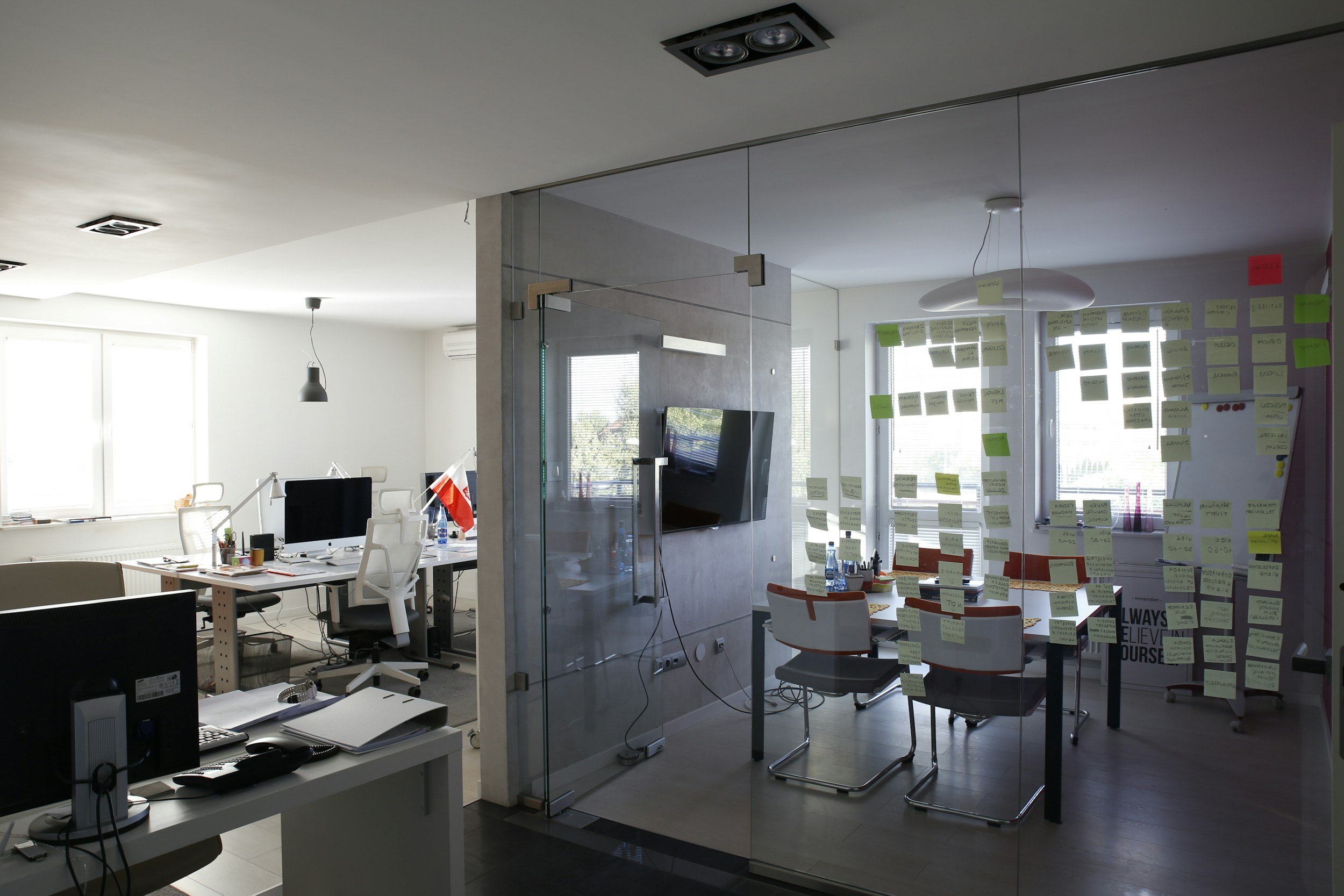




Whether I’m coaching an associate designer or managing an experienced team, my role is to build trust and psychological safety and help people thrive. The same curiosity I bring to understanding users is the mindset I bring to understanding the people I lead.
I’ve collected tactics over many years through self-directed learning (talks, readings, podcasts), structured professional development (conferences, courses, Melbourne Business School) and from other leaders.
You’ll notice a pattern in every tactic. None of them involves guessing.
They also aren’t forms to complete or assessments to run. They’re structured conversations to have with your team members, individually, early in your journey together